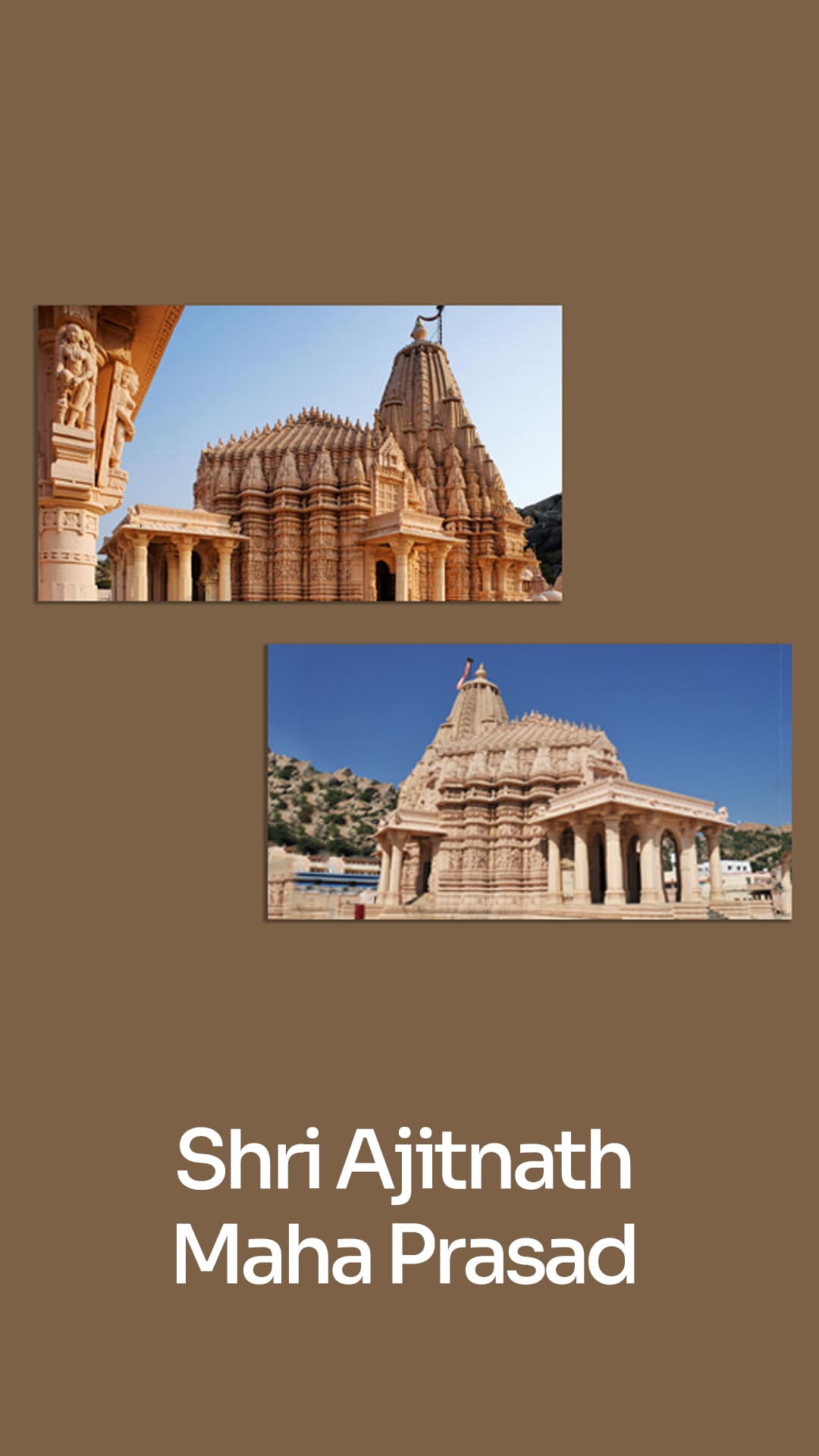
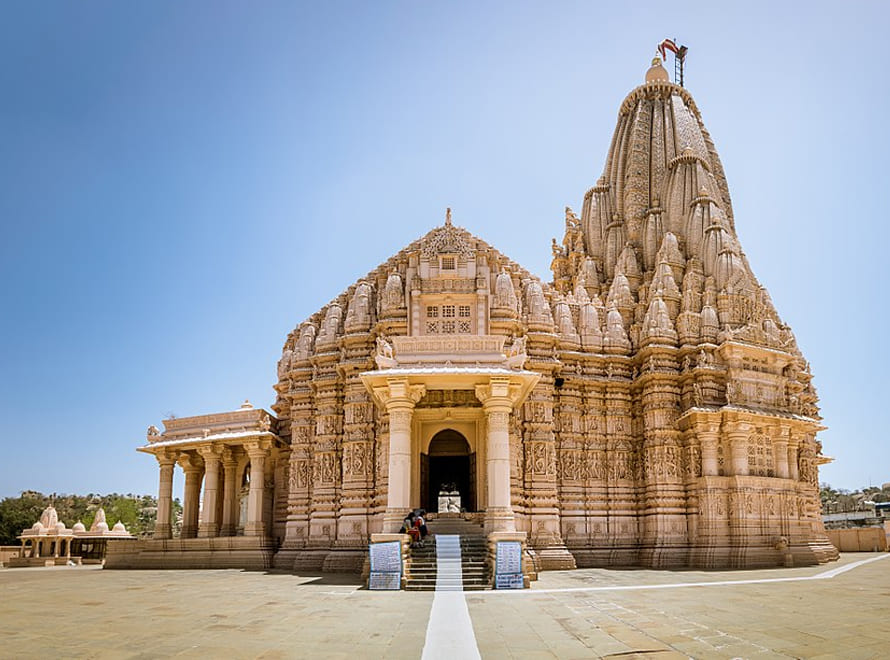
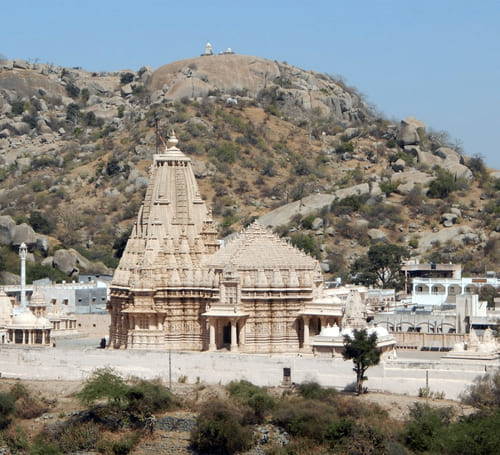
Shri Ajitnath Maha Prasad in Taranga Hills, Gujarat, is a revered Jain temple, renowned for its spiritual significance, stunning architecture, and rich history. Constructed under the guidance of Acharya Hemchandra and commissioned by King Kumarpal in 1165 CE, the temple houses a grand idol of Lord Ajitnath, the second Tirthankara in Jainism. Measuring 101 inches in height, the idol sits as a spiritual beacon in a sanctuary that merges aesthetics with divine purpose
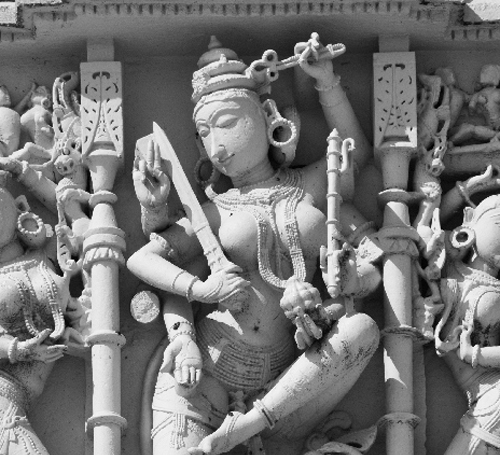
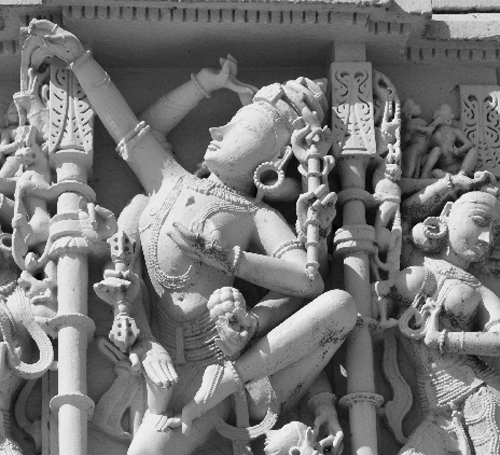
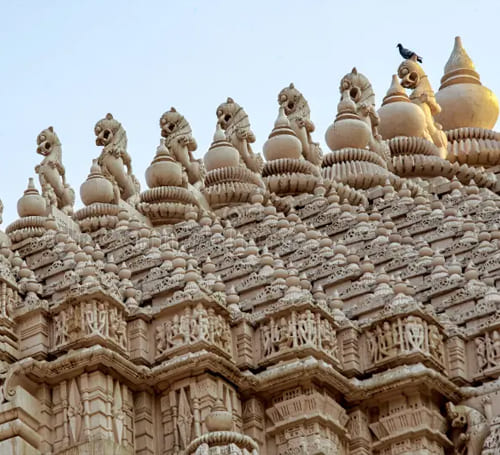
The temple showcases intricate carvings, detailed sculptures, and grand pillars, reflecting the zenith of Jain craftsmanship. It combines elements of spiritual design and worldly celebration, with the Mulnayak idol symbolizing simplicity and enlightenment, while the external decor celebrates life’s artistic splendor
Historical Challenges and Restoration
During the 14th century, invader Alauddin Khilji partly damaged the temple and its idols. To deter further desecration, locals reportedly applied black moss to obscure its allure. The structure was later restored by Shresthi Shri Govindji from Idar state, reaffirming its grandeur and spiritual significance
Taranga Hills: A Timeless Testament to Devotion and Craftsmanship
Nestled in the serene Taranga Hills, Shri Ajitnath Maha Prasad is more than a temple—it’s a chronicle of resilience, devotion, and unparalleled artistry. Commissioned by King Kumarpal in 1165 CE, the temple reflects the profound vision of Acharya Hemchandra and showcases the masterful skills of artisans whose craft transcended generations.
Restored Legacy: A Personal Connection
Centuries later, this monument of faith was carefully restored by Shri Govindji, a Sanghpati of Idar, keeping alive the legacy of preservation. Interestingly, the ancestors of Dev Stone Art played a pivotal role in this restoration, bringing the structure back to its former glory, reinforcing their age-old commitment to temple architecture.
A Battle with Time
Faced with invasions and destruction during Alauddin Khilji’s reign, the temple bore scars of history. The ingenious application of black moss cloaked its beauty, safeguarding it from further desecration. This act of preservation exemplifies the devotion and ingenuity of its caretakers.
Architectural Grandeur
The temple stands as a marvel of Jain architecture, with intricately carved pillars, detailed ceilings, and exquisite sculptures. Every detail, from the sprawling courtyards to the towering idol of Lord Ajitnath, evokes a sense of awe and spiritual connection. The craftsmanship invites admiration, inspiring even modern visitors to reflect on life’s deeper meanings.